Safety guide
Is honey safe during pregnancy?
Is honey safe during pregnancy?
The NHS, the American Pregnancy Association and the Royal College of Obstetricians and Gynaecologists do not place honey on the foods-to-avoid lists they publish for pregnancy. The infant-botulism warning that rules honey out for babies under one describes an infant gut, not an adult one. Your own clinician decides what suits your pregnancy.
Search this question and the answer comes back fast and consistent — but it keeps coming up anyway, usually from someone half-remembering a different rule: "no honey for babies under one." That warning is real, but it was never about pregnant women. It is about an infant's gut, not an adult's, and the two get mixed up often enough that it is worth answering plainly, in one place, before a jar goes in the trolley.
Is honey safe during pregnancy, according to doctors?
The bodies that publish pregnancy eating guidance do not put honey on a restricted list. The NHS, the American Pregnancy Association and the Royal College of Obstetricians and Gynaecologists each publish guidance on eating during pregnancy, and honey does not appear among the foods they tell readers to avoid or limit, the way unpasteurised soft cheese and raw fish do. That reading is consistent across the three, not a single outlier opinion — and it is a report of what they publish, not a judgement from us about your pregnancy.
Who says so
- NHS (UK). Does not place honey among the foods it tells pregnant readers to avoid or limit, and asks for no special preparation.
- American Pregnancy Association. Handles honey separately from the infant guidance and does not restrict it during pregnancy.
- Royal College of Obstetricians and Gynaecologists (RCOG). Does not include honey among the foods it advises pregnant women to avoid or limit.
Why can't babies have honey, if pregnant women can?
Because the risk is about an undeveloped gut, not about honey itself. Honey can carry Clostridium botulinum spores, and a baby under one has a digestive system too immature to stop them from growing and producing toxin. A pregnant woman's gut works the same as any other adult's, and the toxin does not readily cross the placenta to the baby she is carrying.
Who the infant-botulism rule for honey actually protects
Pregnant woman
- Is honey on a published avoid-list for them?
- Not listed
- Why
- An adult digestive system handles the bacterial spores before they can produce toxin
Baby under 12 months
- Is honey on a published avoid-list for them?
- Yes — kept out entirely
- Why
- An infant gut and immune system are not yet developed enough to stop the spores from growing
Toddler over 12 months and older children
- Is honey on a published avoid-list for them?
- Not listed
- Why
- Past infancy, the same adult-level gut defences apply
| Who | Is honey on a published avoid-list for them? | Why |
|---|---|---|
| Pregnant woman | Not listed | An adult digestive system handles the bacterial spores before they can produce toxin |
| Baby under 12 months | Yes — kept out entirely | An infant gut and immune system are not yet developed enough to stop the spores from growing |
| Toddler over 12 months and older children | Not listed | Past infancy, the same adult-level gut defences apply |
Does honey need to be pasteurised to be safe in pregnancy?
No. Pasteurisation is a heat treatment for food safety, but the spores linked to infant botulism survive normal honey processing whether the honey is raw or commercially heat-treated — heat is not what makes honey safe for a pregnant woman. What makes it safe is being eaten by an adult, whose digestive system does not let those spores become a problem in the first place.
This is also why the sourced pregnancy guidance does not distinguish raw honey from filtered, jarred honey on safety grounds. Any distinction between the two matters for texture or allergy reasons, which is a separate question from the one this page answers.
Is honey safe to eat in every trimester?
None of the sourced guidance singles out a first, second or third trimester as different from the others where honey is concerned. What it describes turns on adult digestion generally rather than a stage of pregnancy, so nothing in the published advice shifts as the weeks go by.
This matters in practice because a jar of honey is rarely bought for a single day of pregnancy. It might be given as a gift early on, or kept in the kitchen and used steadily from the first trimester through to term. Nothing about the guidance above changes as a due date moves closer — the answer stays the same throughout.
Is raw honeycomb honey different for safety in pregnancy?
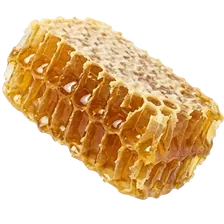
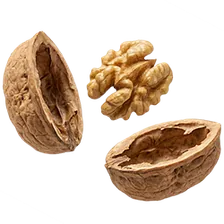
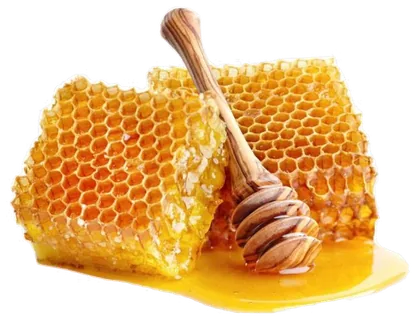
The guidance above is written about honey generally, and comb honey is honey still in its wax — the comb itself is edible. What it does not do is speak to any particular jar. SUBUR is a ten-ingredient blend with ground walnut, almond and ginseng root in it, and that list, not this page, is what belongs in the conversation with your own clinician.
What should you do if you're still unsure?
Ask your own doctor or midwife, especially if you have gestational diabetes or another condition that affects your diet. The medical consensus above is public information, not a substitute for advice about your own pregnancy, and a real conversation with the person managing your care will always account for details a general guide cannot.
If you're buying a jar as a gift or for your own kitchen, see where SUBUR is sold, and read the label the way you would for any food while pregnant. Questions about a specific jar are best put straight to the seller — reach Berkat Madinah Store on WhatsApp rather than guessing.
Read the list, then ask your own clinician
This page reports what the published guidance says and stops there — it clears no jar for anyone's pregnancy. See the ten named ingredients, then take anything specific to your doctor or midwife.
See the full ingredient listFrequently asked questions
Can pregnant women eat honey?
Published guidance from the NHS, the American Pregnancy Association and the Royal College of Obstetricians and Gynaecologists does not place honey on the foods-to-avoid lists it sets out for pregnancy — the lists that cover unpasteurised soft cheese and raw fish. The confusion usually comes from the separate under-one-year rule for babies, which was never about pregnant women. Your own midwife or doctor answers the rest.
Is raw honey safe during pregnancy, or should it be pasteurised?
Both are treated the same by the sourced pregnancy guidance. The spores linked to infant botulism survive normal honey processing whether the jar is raw or heat-treated, so pasteurisation is not what makes honey safe for an adult. What matters is that an adult digestive system, pregnant or not, handles those spores without issue.
Why can't babies have honey but pregnant women can?
A baby under one has a digestive system too immature to stop botulinum spores from growing and producing toxin, which is why honey is kept away from infant food. A pregnant woman's gut functions like any other adult's, and the toxin does not readily cross the placenta — so the two situations are medically unrelated.
Is honey safe in every trimester of pregnancy?
None of the medical sources reviewed distinguish between the first, second and third trimester on this question — what they describe turns on adult digestion generally, not a stage of pregnancy. Nothing in the published advice shifts as a due date approaches. What it does not settle is whether a particular food suits your own pregnancy; that is a question for your midwife.
What about honey and gestational diabetes?
Sources that mention gestational diabetes generally advise eating honey sparingly and treating it like any other sugar, and recommend discussing it with your own doctor or midwife if you have been diagnosed. That is public-health advice repeated across sources, not a specific claim made by any honey seller, including us.
Is honey safer than a raw egg during pregnancy?
They are different risks entirely and not really comparable. Raw or undercooked egg carries a salmonella concern in pregnancy that several sources flag directly; honey's only pregnancy-related caution is the same sparing-sugar advice given for gestational diabetes. Honey is not grouped with the raw-egg or unpasteurised-dairy warnings in any of the sourced guidance.
Can I eat honeycomb while pregnant?
The published guidance covers honey generally, and comb honey is honey still in its wax — <a href="/en/blog/can-you-eat-honeycomb-wax/">the comb itself is edible</a>. What this site cannot do is clear a particular jar for you: SUBUR is a ten-ingredient blend with ground walnut, almond and ginseng root in it. Take that list to your own clinician.
Does eating honey during pregnancy benefit the baby?
No specific benefit for pregnancy is claimed by the health authorities cited here, and none is claimed on this page either. The consensus is limited to safety — honey is not on the avoid list — not a statement that it improves any pregnancy outcome. Treat it as a food that is safe to eat, nothing more.