Ingredients
Black seed and honey: why Malaysians look for this pairing

What is black seed honey?
Black seed honey is honey combined with Nigella sativa — habbatus sauda — either as whole seeds, ground seed, or seed oil. Both are named in Islamic teaching, which is why the pairing is sought out across Malaysia. It is eaten as a daily food, most often a teaspoon in the morning.
Of everything in a Malaysian wellness aisle, habbatus sauda is the ingredient most people can name before they can describe it. It is searched for by name, asked for by name, and printed in large letters on jars precisely because it carries recognition that no marketing budget can buy.
The black seed is a remedy for every illness except death.
That narration is why the seed occupies the place it does in Muslim households. It is also worth being careful with: a hadith explains why an ingredient is honoured. It is not a claim a food seller may legally repeat as a product promise, and a brand that leans on it to sell you something is using your faith as a marketing device.
Why is black seed paired with honey specifically?
- Both are named in Islamic teaching. Honey and black seed each appear in Islamic sources, which is why they are combined rather than either being taken alone.
- Honey makes the seed edible daily. Black seed on its own is sharp, bitter and peppery. Few people would take a spoon of it every morning. Honey is what turns it into a habit that lasts.
- It carries the ground seed. Honey suspends ground seed evenly instead of letting it settle, so each spoonful is roughly the same as the last.
What is the Sunnah trio — madu, kurma, habbatus sauda?
Malaysian sellers frequently group three foods together: honey, dates and black seed. All three are named in Islamic teaching, all three keep well without refrigeration, and all three are eaten rather than taken. That is the whole basis of the grouping — it is a category of foods honoured in Islamic teaching, not a formula with a fixed ratio.
Whole seed, ground seed, or oil — does it matter?
The three forms you will find on Malaysian shelves
Whole seed
- What it is like
- Visible black specks in the jar
- Worth knowing
- Looks convincing, but a whole seed swallowed intact passes through largely unbroken
Ground seed
- What it is like
- Blend looks darker, slightly gritty
- Worth knowing
- Distributes evenly through honey; what most quality blends use
Seed oil
- What it is like
- Smooth, strong peppery smell
- Worth knowing
- Concentrated and sharp; usually sold on its own rather than blended
| Form | What it is like | Worth knowing |
|---|---|---|
| Whole seed | Visible black specks in the jar | Looks convincing, but a whole seed swallowed intact passes through largely unbroken |
| Ground seed | Blend looks darker, slightly gritty | Distributes evenly through honey; what most quality blends use |
| Seed oil | Smooth, strong peppery smell | Concentrated and sharp; usually sold on its own rather than blended |
Visible whole seeds are often a presentation choice — they make the jar look authentic on a shelf. That is not a criticism, but do not read specks as proof of a better blend.
What does black seed honey actually do?
Honestly: it is a food that people have eaten daily for a very long time. Nigella sativa has been studied more than most of the other ingredients in this blend, but studies on an isolated compound in a laboratory are not the same thing as a teaspoon of honey blend at breakfast, and it is dishonest to present them as though they were.
How is it taken?
- A teaspoon in the morningOn an empty stomach, before anything else.
- Wait roughly fifteen minutesThen eat breakfast as usual.
- Never in boiling liquidIf you stir it into a drink, let the drink cool to warm first. Boiling water is the fastest way to waste what you paid for.
- Daily rather than occasionallyThis works as a routine, not an occasional dose. A jar taken now and then is not the same practice.
Black seed is one of ten
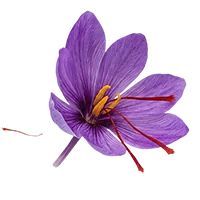
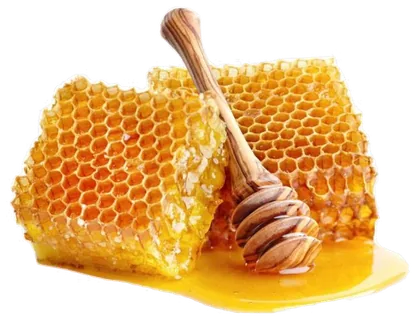
SUBUR blends habbatus sauda with raw honeycomb, saffron, ginseng and six more — every one of them named on the label.
See the full blendFrequently asked questions
What is habbatus sauda?
Habbatus sauda is the Malay name for Nigella sativa, also called black seed or black cumin. It is a small black seed with a sharp peppery taste, named in Islamic teaching, and widely sold in Malaysia on its own or blended into honey.
Why is black seed mixed with honey?
Black seed alone is bitter and peppery, so few people would take it daily. Honey makes it palatable enough to become a routine, suspends the ground seed evenly so each spoonful is consistent, and is itself named in the same Islamic sources.
What is the Sunnah trio of madu, kurma and habbatus sauda?
It is the grouping of honey, dates and black seed — three foods named in Islamic teaching that keep well and are eaten rather than dosed. It is a category of honoured foods, not a fixed formula with set proportions.
Is ground black seed better than whole seed in honey?
Ground seed distributes evenly through honey so every spoonful is roughly the same, while a whole seed swallowed intact largely passes through unbroken. Visible specks make a jar look authentic but are not evidence of a better blend.
Can I add black seed honey to hot drinks?
Let the drink cool to warm rather than boiling first. Adding raw honey blends to boiling liquid wastes much of what you paid for. Taking it straight from the spoon avoids the question entirely.
Does black seed honey cure illness?
No food may be sold in Malaysia on a claim that it prevents, treats or cures any condition — that is prohibited under the Food Regulations 1985. Black seed honey is a daily food, nothing more. For any medical concern, see a doctor.