Safety guide
Can babies have honey?
Can babies have honey?
No — not before twelve months. Health authorities keep every kind of honey out of an infant's diet because of the risk of infant botulism, and no brand or grade is exempt. SUBUR's blend carries a second and separate reason: walnuts and almonds are ground into it, and nuts are a declared allergen under Malaysian labelling rules.
This gets asked with the jar already in hand. The honey half of the answer is settled. The part almost nobody addresses is the jar itself — a paediatric page cannot know what is in the one you bought, and SUBUR is a blend of ten named ingredients, two of them tree nuts.
What does the under-one honey rule actually say?
It says honey of any kind is kept out of the diet of a child under twelve months, because of the risk of infant botulism. An infant gut has not yet developed the defences an adult relies on. It is a warning about a stage of development, not about honey quality.
Nothing on a label moves a jar outside it: raw, filtered, comb or imported, the warning covers honey as a substance, and a blend such as SUBUR sits inside it exactly as plain liquid honey does. Paediatric bodies and food-safety agencies publish it in near-identical terms, the Singapore Food Agency being the nearest regional example.
Why does the under-one rule never work in reverse?
Because a warning about one group is not a clearance for everyone else. Read backwards it becomes a sentence nobody in public health has written: that because honey is kept from infants, it must suit everybody else. Allergies, prescribed medication and medical history sit outside a rule that was only ever about infant digestion.
That matters most on a seller's own site. The honest shape of the rule is a closed door with nothing behind it — it rules one thing out and endorses nothing. The separate question of honey during an adult pregnancy is answered on its own page, for a different reader.
What does a blend with ground walnuts and almonds add?
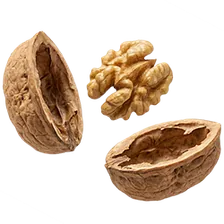
A second reason, independent of the first. SUBUR contains walnuts and almonds ground into the honey rather than dropped in as pieces, so they cannot be picked out or eaten around. Nuts are one of the ingredient classes Malaysian labelling rules require to be declared, which is why they are named on the list.
That is a fact about a list this site already publishes, not a new claim — and it means the two questions must be read together, not one instead of the other. A household managing a nut allergy is looking at the whole jar. What a reaction looks like belongs in our guide to honey allergy symptoms; how the nuts are blended in covers the texture.
What a Malaysian label settles, and what it leaves to a clinician
Ingredient list, in descending order by weight
- What it tells you
- Every component is named, nothing behind a generic spice-blend line
- What it cannot tell you
- Whether any of it suits one particular child
Allergen declaration
- What it tells you
- Nut ingredients must be declared — SUBUR names walnuts and almonds
- What it cannot tell you
- How severe one person's reaction would be
Designation of the food
- What it tells you
- Whether the jar is plain honey or a multi-ingredient blend
- What it cannot tell you
- An age at which a blend becomes appropriate
| What the label carries | What it tells you | What it cannot tell you |
|---|---|---|
| Ingredient list, in descending order by weight | Every component is named, nothing behind a generic spice-blend line | Whether any of it suits one particular child |
| Allergen declaration | Nut ingredients must be declared — SUBUR names walnuts and almonds | How severe one person's reaction would be |
| Designation of the food | Whether the jar is plain honey or a multi-ingredient blend | An age at which a blend becomes appropriate |
Can babies have honey once they are past their first birthday?
Past twelve months a child is outside the group the infant-botulism warning describes. That is the limit of what the rule settles. It does not follow that this blend is right for a particular toddler — that belongs to a parent and the child's own clinician, who between them know what no label can.
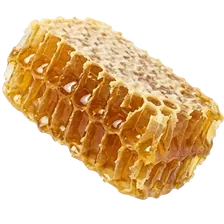
This site publishes no feeding schedule and no age at which SUBUR becomes appropriate for a child, because none exists. What it can describe is the jar: raw honeycomb with black seed, saffron, ginseng root, ginger, cinnamon, star anise, nutmeg, walnuts and almonds. A caregiver who wants the simplest option for a small child is reasonable to want plain honey.
What should you check before buying a jar for a household with a baby?
Read the ingredient list before you read the front of the jar, because the list is the part the labelling rules actually govern. Keep the two questions separate as you do it: the under-one rule is about honey itself, while ground tree nuts are a different concern with a different answer. Take anything specific to your own clinician rather than to whoever is selling the jar.
Three things worth doing at the shelf
- Read the ingredient list. The front of the jar is marketing; the list is the part the rules govern.
- Keep the two questions apart. Answering the under-one rule does not answer what else the blend contains.
- Ask the clinic, not the shop. A seller can say what is in a jar, not whether it fits one child's history.
Where this leaves the jar in front of you
If there is a baby under twelve months in the house, this jar — like every other honey on every shelf — stays out of their food. If anyone in the household manages a tree nut allergy, this is not the jar to buy, because the walnuts and almonds run through all of it. Neither is a verdict on the product.
For everyone else the order is unchanged: read the full list on the ten named ingredients page, take any question about a specific person to their own doctor, and send whatever is left to the shop over WhatsApp. This article clears no food for any child.
See exactly what is in the jar
Every ingredient in SUBUR Honey is named, the ground walnuts and almonds included, so nothing has to be guessed at before you decide.
View the ten ingredientsFrequently asked questions
At what age can a baby have honey?
The consistent public-health position is that no honey of any kind goes to a child under twelve months, because of the risk of infant botulism. Past that age the specific infant warning no longer describes the child, but whether a given food suits a given toddler is a question for the parent and the child's own clinician.
Does the rule apply to honey cooked into food?
The guidance is written about honey as an ingredient, not about honey eaten from a spoon, so cooking or baking is not treated as a way around it. In practice that means keeping honey out of anything prepared for a child under twelve months — porridge, drinks, home-baked items — rather than judging each dish separately.
Is honeycomb treated differently from liquid honey?
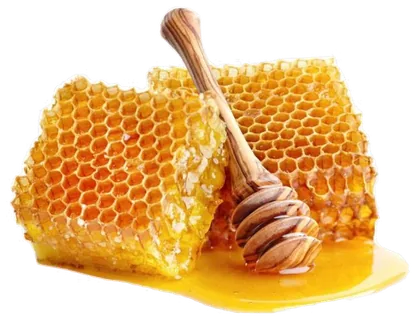
No. The warning covers honey as a substance, and comb honey is honey still in its wax. Raw, filtered, imported, local, comb or liquid, every form sits inside the same under-one rule. Nothing about the way a jar is processed or presented moves it outside the guidance that applies to infants.
Does the under-one rule mean honey has been cleared for everyone else?
No, and reading it that way is the common mistake. The rule rules one group out and endorses nothing. Allergies, prescribed medication and individual medical history are separate questions it never touched, and each one is answered by a person's own doctor rather than by a general food-safety warning.
Is SUBUR Honey suitable for children?
This site makes no such determination and publishes no age guidance for the blend. What it states plainly is that no honey goes to a child under twelve months, and that ground walnuts and almonds make this a tree nut product as well as a honey product. Anything past that is a conversation with a clinician.
Can the walnuts and almonds be picked out of the blend?
No. They are ground and mixed through the honey rather than added as separable pieces, so every spoonful carries a trace of both. That is why a tree nut allergy puts the whole jar out of reach rather than part of it, and why the nut question cannot be managed by eating around anything.
Does a Malaysian label have to mention nuts?
Malaysian labelling rules require ingredients known to cause hypersensitivity to be declared, and nuts are in that named group. Alongside the allergen declaration, a packaged food label must carry the ingredient list in descending order by weight, so a careful reader can see both what is in a jar and roughly how much of it.
What should I do if a baby under one has eaten honey?
Contact a doctor or a medical service directly rather than waiting to see what happens or searching for reassurance. This is general guidance and not a substitute for that call. Having the jar's ingredient list to hand helps, since a clinician may ask what else was in the blend besides honey.