Everyday use
Does honey make sense before or after a workout?

Does honey help before or after exercise?
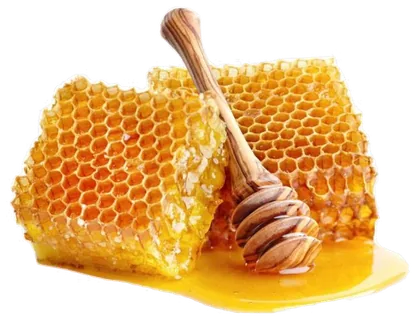
Honey's mix of glucose and fructose is absorbed through two different intestinal pathways at once, which can increase total carbohydrate uptake compared to glucose alone — a real mechanism used generally in sports nutrition, not unique to honey. Roughly one to one and a half tablespoons before training has been described as topping up liver glycogen, and pairing carbohydrate with protein afterward is standard recovery advice honey can fit into. What no controlled study reviewed here shows is a proven performance improvement from honey specifically — one trial found no measurable benefit during 75 minutes of football training.
This gets marketed as a performance secret more often than the research actually supports. The mechanism is real; the performance claim isn't proven, and this page says so plainly rather than only reporting the flattering half.
Why does the glucose-fructose mix matter?
Glucose and fructose are absorbed by different transporters in the small intestine. Consuming both together, rather than glucose alone, can raise the total amount of carbohydrate the gut absorbs per hour and reduce gastrointestinal strain compared to a single-sugar source — this is a well-established principle in sports-nutrition carbohydrate formulations generally, and honey happens to supply both sugars naturally in one food.
How much honey, and when?
What's reported in practice
- Before training. Roughly 1 to 1.5 tablespoons has been described as topping up liver glycogen, particularly relevant after an overnight fast when liver stores run lower.
- After training. Pairing carbohydrate with protein is standard advice for glycogen restoration and recovery; honey is one usable carbohydrate source in that pairing, not a required one.
Does this fit into a daily sugar allowance?
Yes — exercise doesn't change the general public-health ceiling on total added sugar per day, covered in how much honey is a safe daily amount. A pre-workout tablespoon of honey is one entry on that day's total, the same as at any other time.
Does a comb-and-nut blend change any of this?
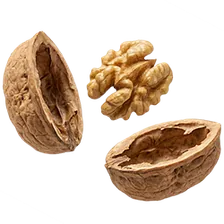
The mechanism above concerns honey's sugars specifically. Added walnut and almond bring their own fat and protein, which slows overall digestion — useful for a post-workout pairing, less so if the goal is the fast pre-workout absorption described above. See honey with nuts in Malaysia for what's ground into a blend versus eaten separately.
Can too much honey before training backfire?
Yes, in a practical sense — a large amount of any sugar close to a training session can cause gastrointestinal discomfort for some people, honey included, regardless of its dual-sugar absorption advantage. The one-to-one-and-a-half-tablespoon range reported in sports-nutrition sources is a moderate amount for a reason; more isn't automatically better, and individual tolerance varies enough that testing a smaller amount before an important session is more sensible than guessing on race day.
See what's in the jar before your next session
SUBUR is honeycomb honey with ten named ingredients, including walnut and almond — see the full list before deciding how it fits your training.
See the full ingredient listFrequently asked questions
Does honey help before exercise?
Its glucose-fructose mix absorbs through two intestinal pathways at once, which can raise total carbohydrate uptake compared to glucose alone. Roughly 1-1.5 tablespoons before training has been described as topping up liver glycogen. This is a real mechanism, not a proven performance boost.
Does honey improve athletic performance?
No study reviewed here proves that. One controlled trial found honey consumed before and during 75 minutes of football training produced no measurable performance improvement. The mechanism for faster carbohydrate absorption is real; a guaranteed performance benefit is not established.
How much honey should I have before a workout?
Sports-nutrition sources describe roughly 1 to 1.5 tablespoons as a practical amount for topping up liver glycogen before training, particularly after an overnight fast. This is a reported practice, not a dose this page prescribes.
Is honey good for post-workout recovery?
Pairing carbohydrate with protein after exercise is standard recovery advice, and honey is one usable carbohydrate source in that pairing — not a required or superior one over other carbohydrate sources.
Does exercise change how much honey is safe to eat that day?
No. The general public-health ceiling on total added sugar per day is unchanged by exercise — see <a href="/en/blog/how-much-honey-is-safe-per-day/">how much honey is a safe daily amount</a> for the figure a pre-workout spoonful counts toward.
Does SUBUR's nut content affect how it works before exercise?
The fat and protein from ground walnut and almond slow overall digestion, which suits post-workout pairing more than the fast pre-workout absorption plain honey provides. See <a href="/en/blog/honey-with-nuts-malaysia/">honey with nuts in Malaysia</a> for the full breakdown.