Safety guide
Does honey actually help a cough?
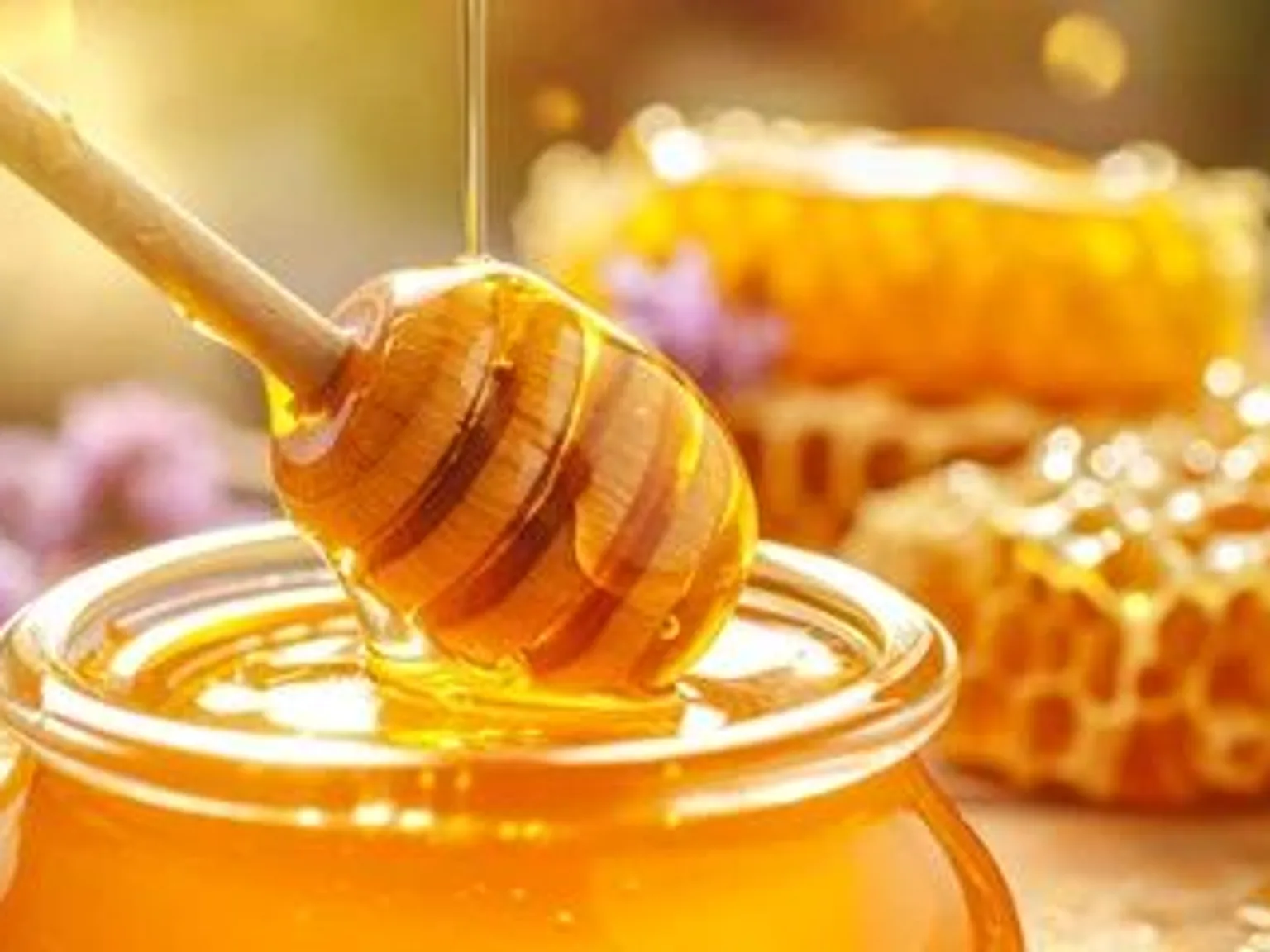
Does honey help a cough?
A Cochrane systematic review reports that honey probably relieves cough symptoms more than no treatment, a common antihistamine, or a placebo, in children over 12 months and in adults — evidence rated low-to-moderate quality, mostly from single-night use. That is a report of published research, not a claim by this page or by SUBUR, and it does not apply to babies under one, for whom honey remains unsafe for an unrelated reason.
This is one of the better-studied home uses of honey, which makes it worth reporting carefully rather than rounding up to "honey cures coughs" — a claim none of the sources below actually make.
What does the research say, specifically?
The most-cited evidence is a Cochrane review of honey for acute cough in children, most recently updated in 2018 and reissued in 2021, which found honey probably eases cough symptoms better than no treatment, than diphenhydramine (a common antihistamine used in some cough syrups), and than placebo — but showed little or no difference against dextromethorphan, a common over-the-counter cough suppressant. Most of the underlying trial data covers a single night of use, which is a real limitation on how far the finding can be stretched.
What the sources actually found
- Cochrane review (children over 1). Honey probably relieves cough symptoms better than no treatment, an antihistamine, or placebo; little difference against a common cough suppressant. Quality rated low to moderate.
- Mayo Clinic. Lists honey as a reasonable home remedy for cough in adults and children over one, alongside standard advice like fluids and rest.
- Duration. Most trial evidence covers one night of use — the review does not establish an effect over a longer illness.
Does honey work better than cough medicine?
The Cochrane comparison against dextromethorphan — a common suppressant ingredient — found little or no meaningful difference between the two, not that honey outperforms it. Against an antihistamine and against no treatment at all, honey came out ahead in the reviewed trials. Read together, the fairest summary is that honey performs comparably to at least one common over-the-counter option and better than doing nothing, not that it is proven superior to medicine generally.
How is honey usually used for a cough?
The trials behind the Cochrane review generally used honey taken on its own before bedtime, in doses appropriate to the child's age under guidance, not folded into a specific recipe or paired with anything else for effect. Warming honey into a drink is common in practice and covered separately — see honey in hot tea, teh o or kopi for how heat affects it — but the research reviewed here does not test one preparation against another.
None of this is a claim that SUBUR specifically relieves cough — the research covers honey as a substance, not any one brand or blend, and a comb-and-nut blend carries an added allergen consideration covered in honey allergy symptoms that a plain honey does not.
Read the research, not a promise
This page reports what a Cochrane review and Mayo Clinic publish about honey and cough generally. It makes no claim for SUBUR specifically. See the full ingredient list before deciding what fits your household.
See the full ingredient listFrequently asked questions
Does honey help a cough?
A Cochrane systematic review found honey probably relieves cough symptoms better than no treatment, a common antihistamine, or placebo in children over 12 months and in adults — evidence rated low to moderate quality. It found little difference against a common suppressant ingredient. This describes honey generally, not any specific product.
Can babies have honey for a cough?
No. The cough research applies to children over 12 months and adults. Honey remains unsafe for babies under one for a separate, unrelated reason — infant botulism risk from Clostridium botulinum spores an infant gut cannot yet defend against. See our <a href="/en/blog/can-babies-have-honey/">full guide to honey and babies</a>.
Is honey better than cough medicine?
The Cochrane review found honey performed similarly to a common over-the-counter suppressant ingredient and better than no treatment or a common antihistamine — not that it outperforms medicine generally. Treat it as one reasonable option among several, not a proven substitute.
How long does honey take to work on a cough?
Most of the underlying trial evidence covers a single night of use, so the research does not establish how honey performs over a longer illness. If a cough persists beyond a few days, that is a reason to see a doctor rather than to keep waiting on any home remedy.
Does SUBUR help with cough specifically?
No claim like that is made here or anywhere on this site. The research reviewed covers honey as a substance generally, not any brand or blend, and SUBUR is a comb-and-nut blend with its own ingredient list worth checking for allergies before use.
Is raw honey better than regular honey for a cough?
None of the sourced research distinguishes raw honey from regular processed honey for cough relief — the trials used honey generally, not a raw-specific formulation. There is no published evidence that raw honey performs differently for this use.