Buying guide
What vitamins and minerals does honey actually contain?
Does honey have vitamins and minerals?
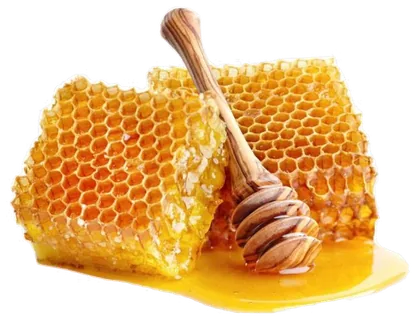
Yes, in trace amounts. Honey carries small quantities of potassium, calcium, phosphorus and vitamin C, plus trace riboflavin, niacin, vitamin B6, iron and zinc. It also contains antioxidant compounds — mainly flavonoids and phenolic acids — that vary by floral source. None of these amounts is large enough for honey to function as a meaningful vitamin or mineral source in a diet; a tablespoon's potassium, for example, is a small fraction of an adult's daily requirement.
Honey's trace nutrients get talked up a lot. The composition is real — this isn't a myth-busting page — but the amounts are small enough that the honest framing is "it's there" rather than "it matters nutritionally on its own".
What's actually in a tablespoon of honey, beyond sugar?
Trace nutrients reported in honey
Potassium
- Amount
- ~11-55mg per tablespoon
- What it means in context
- An adult needs roughly 3,500-4,700mg a day — honey covers well under 2%
Vitamin C, B vitamins, iron, zinc
- Amount
- Trace amounts
- What it means in context
- Present, but not at levels that make honey a source worth counting on
Antioxidants (flavonoids, phenolic acids)
- Amount
- Varies by floral source
- What it means in context
- Darker, multifloral honeys generally test higher than pale monofloral ones
| Nutrient | Amount | What it means in context |
|---|---|---|
| Potassium | ~11-55mg per tablespoon | An adult needs roughly 3,500-4,700mg a day — honey covers well under 2% |
| Vitamin C, B vitamins, iron, zinc | Trace amounts | Present, but not at levels that make honey a source worth counting on |
| Antioxidants (flavonoids, phenolic acids) | Varies by floral source | Darker, multifloral honeys generally test higher than pale monofloral ones |
Why does antioxidant content vary so much between honeys?
Like glycemic index, this comes down to the flowers the bees drew from. Research comparing honeys of different origin has found the darker, multifloral varieties generally carry the highest polyphenol content, while pale, single-source honeys test lower. There is no single "honey antioxidant level" any more than there is a single honey GI — it depends on the specific jar's floral source, and no seller can state a number without testing that batch.
Does a comb-and-nut blend change this?
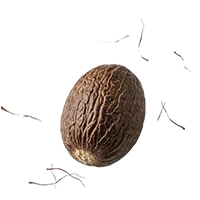
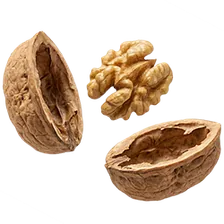
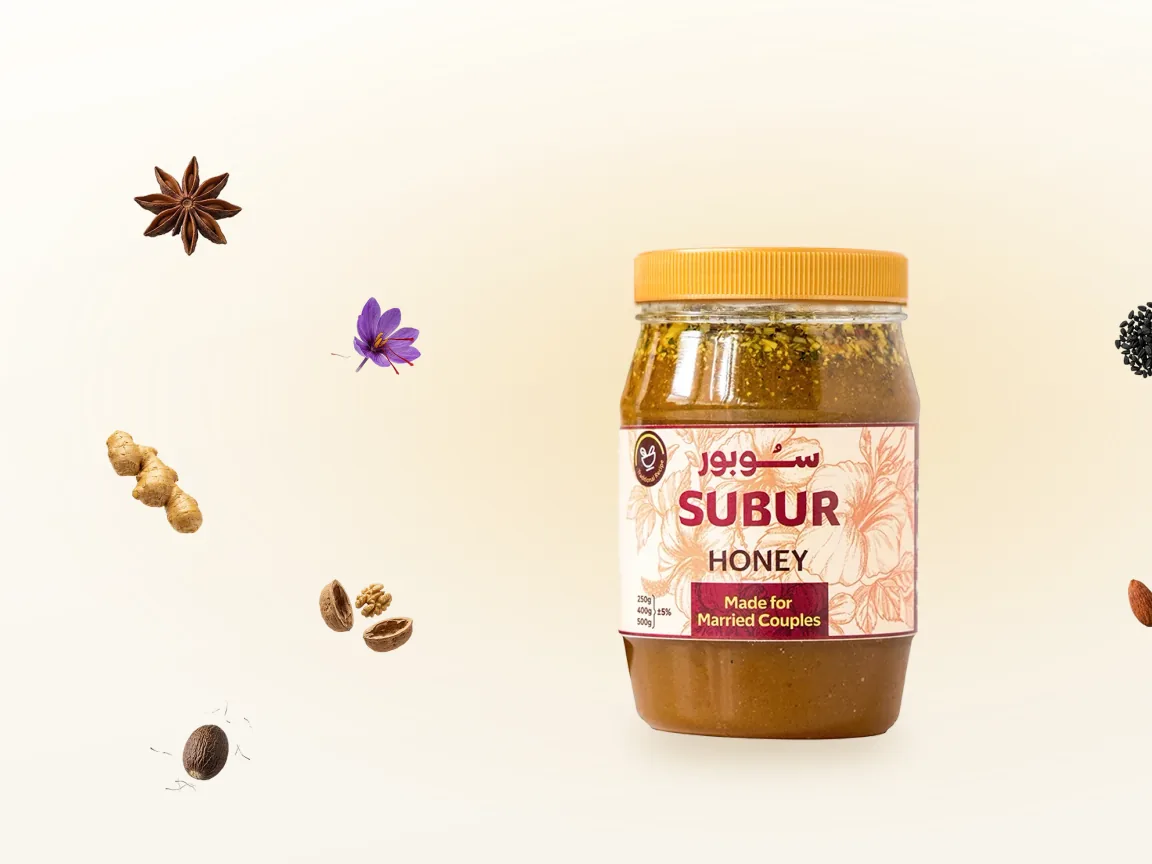
The walnut and almond in a blend like SUBUR carry their own real nutrient profiles — healthy fats, protein, vitamin E among them — but those are properties of the nuts, not of the honey itself, and are not what this article is reporting on. See honey with nuts in Malaysia for what's actually ground into a blend like this.
So is honey worth eating for its nutrients?
As a meaningful vitamin or mineral source on its own, no source reviewed here says so. As a sweetener with some trace compounds sugar doesn't have, yes — that's a real, if modest, compositional difference, covered from the sugar-comparison side in honey vs sugar: what actually separates them. Its calorie and sugar content, which matters more for most people's diets, is covered in honey calories and sugar content.
Does a darker honey mean it has more antioxidants?
Roughly, yes — research comparing honeys of different origin has generally found darker varieties test higher in total polyphenol content than pale ones, which lines up with what's already known about why honey colour varies. But colour is a rough visual cue, not a lab measurement: it also changes with age and storage temperature, for reasons that have nothing to do with antioxidant content. A shopper can't reliably rank two jars' antioxidant levels by eye alone, and no seller can state a number without testing that specific batch.
See what's actually in the jar
This page covers honey's own trace nutrients. SUBUR adds ten named ingredients on top, including walnut and almond — see the full list.
See the full ingredient listFrequently asked questions
Does honey have vitamins and minerals?
Yes, in trace amounts — potassium, calcium, phosphorus, vitamin C, and trace B vitamins, iron and zinc. The amounts are small enough that honey isn't a meaningful source of any of them on its own.
How much potassium is in honey?
Roughly 11 to 55mg per tablespoon depending on the honey — well under 2% of an adult's daily requirement of about 3,500-4,700mg.
Does honey have antioxidants?
Yes — mainly flavonoids and phenolic acids, which vary by floral source. Darker, multifloral honeys generally test higher in total polyphenol content than pale, single-source honeys.
Is honey a good source of vitamin C?
No source reviewed here calls it that. Honey carries trace vitamin C, but not at a level that makes it a meaningful dietary source compared to fruit or vegetables.
Do these nutrients apply to SUBUR specifically?
This page reports what honey as a substance contains. SUBUR's added walnut, almond and other ingredients carry their own separate nutrient profiles, not attributed to the honey itself — see <a href="/en/blog/honey-with-nuts-malaysia/">honey with nuts in Malaysia</a>.
Does honey's antioxidant content mean it's healthier than sugar?
No source reviewed draws that conclusion. The trace compounds are a real compositional difference from refined sugar, but none of the research translates them into a stated health advantage — see <a href="/en/blog/honey-vs-sugar-which-is-healthier/">honey vs sugar: what actually separates them</a> for the fuller comparison.