Buying guide
How to read a honey label in Malaysia

How do you read a honey label in Malaysia?
Read the printed panel on the back, not the claims on the front. A packaged food sold in Malaysia has to carry a description of what it is, an ingredient list ordered by weight, an allergen declaration, the net weight, and the manufacturer or importer behind it. Everything else is marketing.
Search for how to read a honey label and the whole first page is written for the person printing one — compliance references, consultancy guides, label-printing vendors. Nothing is written for the person holding the jar in a Malaysian shop.
What is a Malaysian honey label required to carry?
Malaysia's food rules require a packaged label to carry a description of the food, an ingredient list in descending order of proportion by weight, a declaration of ingredients known to cause hypersensitivity, the net weight or volume, and manufacturer or importer details with country of origin for imported product.
What each line is doing
Ingredient list
- What it must tell you
- Every ingredient, largest by weight first
- What it cannot tell you
- How much of each
Allergen declaration
- What it must tell you
- Nuts, peanuts, gluten cereals, soybean, fish, milk, egg
- What it cannot tell you
- Anything visible in the jar
Net weight or volume
- What it must tell you
- How much is in the package
- What it cannot tell you
- How much is comb, nut or spice
Maker or importer, country of origin
- What it must tell you
- Who is answerable for the jar
- What it cannot tell you
- Which flowers the honey came from
| The line | What it must tell you | What it cannot tell you |
|---|---|---|
| Ingredient list | Every ingredient, largest by weight first | How much of each |
| Allergen declaration | Nuts, peanuts, gluten cereals, soybean, fish, milk, egg | Anything visible in the jar |
| Net weight or volume | How much is in the package | How much is comb, nut or spice |
| Maker or importer, country of origin | Who is answerable for the jar | Which flowers the honey came from |
Two particulars are conditional: a best-before or expiry date for the foods that require one, and nutrition information for designated products only. Read the date printed on your own jar rather than assume a rule.
Why is the order of the ingredient list the most useful line?
Because the order is not editorial. Ingredients appear in descending order of proportion by weight, so the first name is the bulk of what you are holding and the last is the smallest part of it. A list that opens with a sweetener has told you what the jar mostly is.
What the order withholds is quantity: no percentage has to sit beside any name, so an ingredient printed last is present in an amount the panel never states. SUBUR publishes its ten ingredient names, which is not the same as publishing amounts.
What does the allergen declaration have to tell you?
It has to name ingredients known to cause hypersensitivity. That declared list includes nuts and peanuts, cereals containing gluten such as wheat, rye, barley and oat, soybean, fish, milk including lactose, and egg. Malaysian compliance guidance describes allergen statements set in bold capitals at a minimum type size.
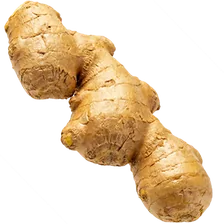
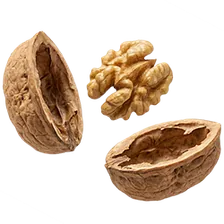
This is the only part of the panel that warns you about something you cannot see. Tree nuts sit inside that declared list, and SUBUR's blend carries ground walnuts and almonds, worked into the honey rather than sitting in it as pieces. Our guide to honey allergy symptoms covers what a reaction looks like.
What do "pure", "natural" and "premium" actually guarantee?
On their own, nothing you can check. None is one of the particulars a label must carry, none has to be supported by anything else printed on the jar, and none can be confirmed by reading. They are front-of-jar language. The back is the checkable part.
"Raw" belongs in the same bracket — it describes handling nobody can inspect through glass. Whether the honey inside is what it claims to be is a separate investigation, handled by telling real honey from sugar syrup. That page judges the honey; this one reads the packaging.
Who is the name and address on the jar for?
For you, on the day something is wrong. The label has to carry manufacturer or importer details, and country of origin for imported product. That line turns an anonymous jar into a business you can contact, return to or report, which is why an address is worth more than a slogan.
Country of origin describes the packaged product, not where the bees worked. If you want the origin of the honey itself, whether Malaysian honey is local or imported takes it further than a panel can.
How do you read a honey label before you buy it?
Back first, front last. Read the description, then the ingredient list from the left, then the allergen line, then whoever is answerable for the jar. Only then turn it around: in that order it takes under a minute, and the front of the jar gets the last word instead of the first.
One jar, four moves
- Turn it aroundThe front persuades; the back is required to inform.
- Read the list from the leftThe first name is the bulk of the jar. Anything unexpected near the front is your finding.
- Find the allergen lineBefore you buy — especially with a nut or gluten allergy in the house.
- Check who is answerableA maker or importer, with an address. If nobody is named, that absence is the answer.
Decide on the panel, not the promise. If the list names everything, the allergen line is there, and a real business is printed with an address, you know what you are buying and who to go back to. What it cannot answer belongs to the seller, on our WhatsApp line.
The list is the part you can check
All ten ingredients named, ground walnuts and almonds included. Read them before you buy.
See the ten ingredientsFrequently asked questions
What has to be on a food label in Malaysia?
A description of what the food is, an ingredient list in descending order of proportion by weight, a declaration of ingredients known to cause hypersensitivity, the net weight or volume of the contents, and manufacturer or importer details with country of origin for imported product. A best-before date is required for the foods that require one.
What order are ingredients listed in on a label?
In descending order of proportion by weight, so the first name is the largest part of the product and the last name is the smallest. That single rule turns a list into information: on a honey blend, whatever appears ahead of the honey is more of the jar than the honey is.
Does a honey label have to say how much of each ingredient is in the jar?
No. The ingredient list has to be complete and correctly ordered, but no percentage has to appear beside any name. An expensive ingredient printed at the end of a list is genuinely present, in an amount the label never states. If the amount matters to you, that is a question to put to the seller directly.
Why does a honey jar have an ingredient list at all?
Because there is more than one thing in it. A list running to several names tells you the jar is a blend rather than a single honey, and the order tells you roughly how that blend is weighted. It is usually the plainest description of the product anywhere on the packaging, front included.
Does the label tell me if there are nuts in the honey?
It has to. Nuts and peanuts sit inside the list of ingredients known to cause hypersensitivity that must be declared, and Malaysian compliance guidance describes allergen statements set in bold capitals. This matters most where nuts are ground into a product, because there is then nothing visible in the jar to warn you.
What does "pure honey" on a label guarantee?
By itself, nothing you can verify by reading. It is not one of the particulars the label is required to carry, and nothing else printed on the jar has to support it. The checkable material is the ingredient list, the allergen declaration and the business named on the panel behind it.
Should a honey jar have a best-before date?
Malaysian labelling requires a best-before or expiry date for the foods that require one, and this page does not settle whether honey sits inside that group. In a shop the practical answer is simpler: read the date printed on the jar you are holding and treat it as that jar's own information.
What does the country of origin line actually tell me?
Where an imported packaged product came from. It is a statement about the product as packaged rather than a map of where the bees foraged, so it will not tell you the floral source or the region the honey was gathered in. Those are questions for the seller, not for the panel.
What if a jar has no ingredient list and no seller address?
Treat the absence as the information. Those are two of the particulars a packaged food label is required to carry, so a jar missing both leaves you with nothing to check and nobody to go back to. Buy from a seller you can name, contact and return to instead.