Comparison
Honey vs gula melaka: what actually separates them

Honey vs gula melaka — what's the difference?
Honey is what bees make from flower nectar; gula melaka is unrefined sugar boiled down from sap tapped from coconut palm flower stalks. Honey tastes floral and pours or spoons; gula melaka tastes of caramel and smoke and sets into a firm block. Malaysian recipes call for each on different grounds.
Search "honey vs gula melaka" online and the one dedicated comparison that exists is written by a gula melaka seller, arguing its own case with a health number in the copy. Nobody has published the other half. SUBUR sells honey, not palm sugar, and has nothing riding on which one wins — so this is a plain kitchen comparison: what each is, how it tastes, and which Malaysian dishes and drinks reach for which.
Honey vs gula melaka: how is each one actually made?
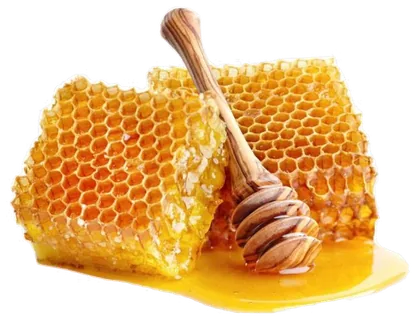
Honey is nectar collected by bees, carried back to the hive, and ripened inside the comb until the water content drops low enough to keep. Gula melaka starts as sap tapped from the flower stalk of the coconut palm, then boiled down in open pans until it thickens and sets into a solid block.
Neither is a manufactured sweetener the way refined white sugar is. Past that, the similarity ends — one is an animal product made by bees, the other a plant product made by boiling down sap.
How does the taste actually differ?
Honey reads as floral and sometimes fruity, with a thinner, lighter sweetness that shifts depending on which flowers the bees worked. Gula melaka tastes of caramel and wood smoke, a deep, heavier sweetness that comes from the open-pan boiling itself rather than from any single plant's flavour.
A comb blend like SUBUR's still carries that floral honey note as its base; the ten named ingredients add extra layers, but the sweetness stays honey's, not gula melaka's caramel register.
Does the texture change how you use it?
Honey stays liquid or semi-set and can be spooned, poured or stirred straight from the jar. Gula melaka is sold as a firm block or paste that needs melting, grating or dissolving in hot liquid before it goes into a recipe — it will not stir into a cold drink the way honey does.
Honey and gula melaka side by side
Made from
- Honey
- Nectar collected and ripened by bees
- Gula Melaka
- Sap tapped from coconut palm flower stalks, boiled down
Flavour
- Honey
- Floral, sometimes fruity, a lighter sweetness
- Gula Melaka
- Caramel and smoke, a deeper, heavier sweetness
Texture
- Honey
- Liquid to semi-set; spoons or pours
- Gula Melaka
- Firm block or paste; needs melting or grating
Common Malaysian use
- Honey
- Drizzled over toast, stirred into warm drinks
- Gula Melaka
- Melted into kuih, sauces and dessert syrups
| Honey | Gula Melaka | |
|---|---|---|
| Made from | Nectar collected and ripened by bees | Sap tapped from coconut palm flower stalks, boiled down |
| Flavour | Floral, sometimes fruity, a lighter sweetness | Caramel and smoke, a deeper, heavier sweetness |
| Texture | Liquid to semi-set; spoons or pours | Firm block or paste; needs melting or grating |
| Common Malaysian use | Drizzled over toast, stirred into warm drinks | Melted into kuih, sauces and dessert syrups |
Which Malaysian dishes call for gula melaka?
Gula melaka is the sweetener in dishes built around its own smoky depth: cendol, ondeh-ondeh, kuih bingka and the syrup poured over sago gula melaka. These recipes are written around gula melaka's flavour specifically — swap in honey and the dish tastes like a different dessert, not a lighter version of the same one.
Where gula melaka is doing the work, not honey
- Cendol. The dark syrup poured over the noodles and shaved ice is gula melaka; honey would sit on top rather than soak through the same way.
- Ondeh-ondeh. The molten centre inside the pandan rice-flour balls is a piece of gula melaka, chosen because it needs to hold a solid shape until it's bitten into.
- Kuih bingka and steamed kuih. Many steamed and baked kuih use gula melaka for both colour and the caramel note the batter is built around.
Which Malaysian drinks and dishes call for honey instead?
Honey works where a drink or dish needs a sweetener that dissolves cleanly and doesn't fight the other flavours — stirred into warm water or tea, drizzled over a breakfast bowl, or mixed into a marinade or dressing. Its lighter, floral sweetness sits alongside other ingredients rather than dominating the way gula melaka's caramel note does.
A spiced comb blend like SUBUR's adds a further layer — the ten named ingredients sit inside the same jar as the honey — but it still behaves like honey in a drink, not like a block of palm sugar.
Can one replace the other in a recipe?
Not cleanly. Gula melaka needs melting or grating and brings caramel and smoke with it, so a recipe built around that flavour changes character with honey in its place. Honey is thinner and dissolves faster, so a recipe built around gula melaka's body can turn runny or lose the flavour it was written for.
Is gula melaka healthier than honey?
That's a nutrition question, not a taste or cooking one, and answering it isn't this article's job — Malaysia's food rules don't let a seller make that call either. What this page can tell you is how each behaves in a kitchen: for a health comparison, read the nutrition panel on your own jar or ask a health professional, not a honey seller's blog.
Neither sweetener needs the other to justify itself. Gula melaka has its own dishes, and honey — plain or as a spiced comb blend with ten named ingredients — has its own. Buy each for what it actually does, not as a substitute for the other.
Check where SUBUR is sold if honey is what you're after.
Two different jars, two different jobs
SUBUR is a raw honeycomb blend with ten named ingredients — no gula melaka in it, and no claim to replace it. See what's actually inside.
See the ten ingredientsFrequently asked questions
What is gula melaka made from?
Gula melaka is unrefined palm sugar made from sap tapped from the flower stalks of the coconut palm. The sap is collected and boiled down in open pans until it thickens and sets into a solid block, which is where its caramel and smoky flavour comes from — not from any added flavouring.
Is honey the same thing as palm sugar?
No. Honey is made by bees from flower nectar and stored in the hive; palm sugar, including gula melaka, is made by boiling down sap tapped from a palm tree. They come from different sources entirely — one animal, one plant — which is why they taste and behave so differently in a recipe.
Is gula melaka the same as brown sugar?
No. Brown sugar sold in Malaysian supermarkets is usually refined white sugar with molasses added back in, giving a mild caramel note. Gula melaka is unrefined from the start — boiled straight down from coconut palm sap — which gives it a stronger, smokier flavour and a firmer, less uniform block.
Is gula melaka healthier than honey?
This article doesn't answer that, on purpose — it's a nutrition question, not a taste or cooking one, and Malaysia's food rules don't let a seller make that call either. For a health comparison, read the nutrition panel on the jar you're holding or ask a health professional rather than a honey seller's blog.
Can I use gula melaka instead of honey in tea or coffee?
You can, but it behaves differently. Gula melaka needs to be grated or melted first, and it won't dissolve into a cold drink the way honey does — it's built for hot liquid or cooking, not stirring straight into a cup. Honey dissolves on its own, which is why it's the easier of the two for drinks.
Can I use honey instead of gula melaka in kuih?
You can try, but the dish changes. Kuih recipes built around gula melaka rely on its caramel-smoke flavour and the way it sets or melts as a solid; honey is thinner and won't give the same colour or body. The result will taste like a honey-sweetened kuih, not the gula melaka version it was written as.
Why do some Malaysian desserts insist on gula melaka and not honey?
Because the flavour is the point. Cendol, ondeh-ondeh and sago gula melaka are built around that specific caramel-and-smoke sweetness, not just "something sweet." Swap in honey and the dish still works as food, but it stops tasting like the dessert it's named after — the gula melaka isn't optional in those recipes.
Does gula melaka dissolve the way honey does?
No. Honey is already liquid or semi-set and stirs in on its own. Gula melaka is sold as a firm block or paste and needs grating, melting, or dissolving in hot liquid before it will mix into anything — it won't break down in a cold drink or a quick stir the way honey does.