Diet facts
Is honey vegan?
Is honey vegan?
No. By the definition most vegan diets and certifications use, honey isn't vegan — it's made by bees, not a plant, so it sits in the same category as milk, eggs and gelatin. That's true of any honey, plain or blended, including a comb-and-spice jar like SUBUR's.
The question comes up for different reasons depending on who's asking. A Western vegan already knows the diet's rule about animal products before they read a word further. A Malaysian reader typing "is honey vegan" into a search bar is often asking for a different reason — a vegan friend visiting for dinner, the growing plant-based scene in Kuala Lumpur, or wanting a straight answer before picking a jar off Berkat Madinah Store's shelves as a gift. The fact itself doesn't change with the reason for asking, so here it is, plainly, with nothing to argue on either side.
Why isn't honey considered vegan?
Veganism excludes food made by or from animals, and honey is made by bees — nectar collected, processed and stored as a food source for the hive, then harvested from the comb afterward. The insect doing the making is still an animal by the definition vegan diets use, which is why honey sits outside vegan eating even though it isn't meat, milk or eggs.
Most vegan definitions draw the line at anything produced by an animal for its own use, not only at things that come from killing one. Beeswax and silk get excluded on the same reasoning — an insect made them for itself, and a person collected what was left over. Honey follows the identical logic: bees make it to feed the hive through periods with no flowers, and a beekeeper takes the surplus.
Is honeycomb vegan too?
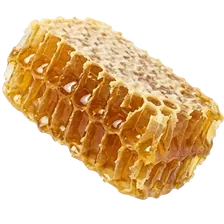
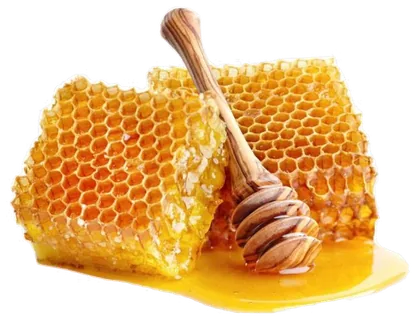
Honeycomb is the wax structure bees build to store honey and raise brood, and it's no more vegan than the honey inside it — both come from the same hive. A honeycomb honey jar like SUBUR's, comb included, sits fully outside a vegan diet, not partway.
Don't bees pollinate other vegan food too?
Pollination and honey production are different relationships with a bee. A vegetable or fruit that a bee visits while pollinating isn't made by the bee — the bee moves on, and the plant keeps growing on its own. Honey is different: the bee makes it, stores it, and a person only takes it afterward, which is the distinction most vegan definitions rely on.
This is also why some vegans still eat almonds, even though almond trees depend heavily on bee pollination to fruit at all — one of the ten ingredients in SUBUR's own blend, alongside honey itself. The bee's role there is a visit, not a product taken from the hive, and most vegan definitions treat that as a meaningfully different act.
How does honey compare to plant-based sweeteners?
Honey is the outlier on a sweetener shelf otherwise stocked with plant sources. Agave nectar, maple syrup and date syrup all come from a plant, not an animal, which is why each is vegan by default while honey is not — the raw material, not the taste or texture, is what decides it.
None of these plant sweeteners tastes like honey, and none behaves exactly the same in a recipe — that's a separate question from which one counts as vegan. The table below covers vegan status only, not which sweetener to reach for in the kitchen.
Honey vs. plant-based sweeteners: vegan status
Honey
- What it's made from
- Made by bees from nectar
- Vegan?
- No
Maple syrup
- What it's made from
- Boiled sap from maple trees
- Vegan?
- Yes
Agave nectar
- What it's made from
- Sap from the agave plant
- Vegan?
- Yes
Date syrup
- What it's made from
- Cooked-down dates
- Vegan?
- Yes
| Sweetener | What it's made from | Vegan? |
|---|---|---|
| Honey | Made by bees from nectar | No |
| Maple syrup | Boiled sap from maple trees | Yes |
| Agave nectar | Sap from the agave plant | Yes |
| Date syrup | Cooked-down dates | Yes |
What can I use instead of honey?
Maple syrup, agave nectar and date syrup are the three most common swaps, each with its own flavour rather than honey's — maple reads more caramel, agave is neutral and very sweet, date syrup is deep and fruity. None of them behaves exactly like honey in every recipe, so the swap works better in some dishes than others.
Common vegan swaps for honey
- Maple syrup. Closer to caramel than floral, and it pours thinner than honey, so start with slightly less liquid in a recipe.
- Agave nectar. Neutral in flavour and sweeter than honey by volume, which is why recipes usually call for less of it.
- Date syrup. Thick and fruity rather than floral, and strong enough in flavour to notice in a plain cup of tea.
Is a honey-and-nut blend like SUBUR's vegan?
No — a blend built on raw honeycomb is honey-based at its core, so the same answer applies regardless of what else is in the jar. SUBUR's ten ingredients include walnuts, almonds and whole spices alongside the honeycomb, but adding a plant ingredient to an animal one doesn't change which side of the line the base product sits on.
If you're buying a jar for someone who avoids animal products, treat it the same way you would treat any honey, anywhere — it's off the list, and no recipe swap changes that. If you're asking for yourself and want to know exactly what's in the jar before you decide, the full ten-ingredient list is on the ingredients page.
See exactly what's in the jar
Ten named ingredients, honeycomb included — nothing hidden behind a nutrition label.
View the ingredientsFrequently asked questions
Why don't vegans eat honey?
Veganism excludes anything made by an animal for itself, not only animal flesh, and honey is made and stored by bees as food for the hive. That's the same reasoning that excludes beeswax and silk. It has nothing to do with how a specific brand or seller operates — the answer is the same for every honey, everywhere.
Is honey an animal product?
Yes. Honey is produced by bees from nectar they collect and process inside the hive, which makes it an animal product in the same category as milk or eggs rather than a plant one. That classification is what puts it outside a vegan diet, regardless of how it's flavoured, blended or packaged afterward.
Is honeycomb vegan?
No. Honeycomb is the wax bees build to store honey and raise young, made by the same insects that make the honey inside it. A jar that includes visible comb, like SUBUR's honeycomb blend, is no closer to vegan than a jar of plain honey — both come from the hive.
What can vegans use instead of honey?
Maple syrup, agave nectar and date syrup are the three most common plant-based swaps, each with a different flavour and thickness. None copies honey exactly — maple leans caramel, agave is neutral, date syrup is fruity — so the best pick depends on the dish rather than one single answer.
Is honey vegan or vegetarian?
Honey is generally considered vegetarian but not vegan. Vegetarian diets exclude meat but usually allow other animal products like dairy, eggs and honey; vegan diets exclude every animal product, including ones that don't involve killing the animal, which is why the two labels land differently on the same jar.
Is honey the same as agave nectar for a vegan diet?
No. Agave nectar comes from the agave plant, so it fits a vegan diet by default. Honey comes from bees, so it doesn't, no matter how the two compare on sweetness or how they're used in a recipe. The plant-versus-animal source decides it, not the taste or texture.
Is maple syrup a good vegan alternative to honey?
Maple syrup is one of the most common swaps because it pours and sweetens in a similar way, though it tastes more like caramel than floral honey. It works well in drinks and baking where the exact flavour isn't the point. For dishes where honey's specific taste matters, expect a noticeably different result.
Are vegan sweeteners easy to find in Malaysia?
Yes — maple syrup, agave nectar and date syrup are all sold in Malaysia, usually in the baking or health-food aisle of larger supermarkets rather than every local shop. Availability and brand vary by store, so it's worth checking a specific supermarket's shelf rather than assuming every outlet stocks all three.