Buying guide
What is sidr honey?

What is sidr honey?
Sidr honey is a monofloral honey made from the nectar of the sidr tree, Ziziphus spina-christi — the jujube or lote tree, bidara in Malay. It is dark amber to brown, thick, and distinctly non-sugary in flavour. Yemen, Saudi Arabia, Pakistan and Kashmir all produce it. SUBUR is not sidr honey.
Sidr is one of the most searched honey words in this market, and almost every page answering it belongs to somebody selling sidr. So the honest thing goes first: SUBUR is not sidr honey. There is no sidr in the jar, and nothing below is written to blur the two.
What is sidr honey, and which tree does it come from?
Sidr honey comes from bees working the flowers of one tree: Ziziphus spina-christi, called the jujube or lote tree in English, bidara in Malay and السدر in Arabic. Honey made overwhelmingly from a single flower is monofloral, and that single nectar is the entire basis of the name on the jar.
Honey names do not all work that way. Some name the tree the hive sits in, some the bee, some nothing at all — the guide to honey types sold in Malaysia works through that jar by jar.
Is sidr honey always Yemeni honey?
No. Yemen is the origin most associated with sidr — Hadhramaut, and within it the Wadi Do'an valley, which is what "Do'ani" on a label refers to. But the sidr tree also grows and is harvested in Saudi Arabia, Pakistan and Kashmir. Sidr is a floral source, not a country of origin.
The site draws the same line for graded imports: UMF is New Zealand's licensing scheme, while an MGO figure is not country-tied — see what a Manuka grade actually measures. If origin is what you are paying for, the country has to be stated as a country.
What does sidr honey look and taste like?
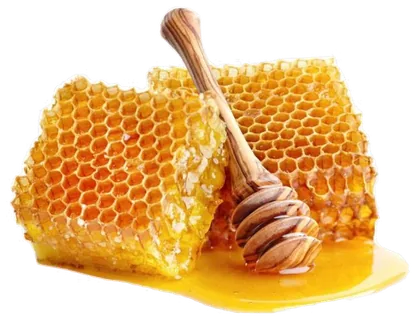
Sidr honey is consistently described as dark amber to brown, thick on the spoon, and complex rather than plainly sweet — people reach for malty or resinous before they reach for sugary. It is bought to be tasted on its own, which is why it tends to be sold in small jars.
What a buyer can actually check
- Colour. Dark amber through to brown. A pale, water-clear jar sold as sidr is worth a question.
- Body. Thick and slow off the spoon, not runny.
- Flavour. Layered and distinctly non-sugary. Plain sweetness means the premium bought nothing.
Why is sidr honey so expensive?
Two things set the price, and neither is marketing. The sidr tree flowers in a short annual window, so the harvest is over almost as soon as it begins. And the trees behind the prized harvests grow in a limited geography. A small window plus a small map equals very little honey.
Sidr therefore sells at a large premium. This site quotes no figure, because the numbers circulating online come from people selling it. What the premium buys is scarcity of one nectar — not a certificate, and not a laboratory measurement.
What do sidr honey grades like "AA+" or "Royal" mean?
They mean whatever the seller who printed them wants them to mean. There is no governing body for sidr grading, no published method behind "AA+", "Royal" or "Premium", and no licence anyone can withdraw. They are packaging copy, not measurements, and two jars sharing a grade may share nothing.
Is SUBUR sidr honey?
No. SUBUR is a raw honeycomb blend of ten named ingredients — a different product class from a monofloral honey, the same distance that separates it from kelulut, tualang or Manuka. There is no sidr in the jar, and no floral source is published for SUBUR at all.
Two jars, two different questions
What does the name describe?
- Sidr honey
- One nectar, from one tree
- SUBUR's honeycomb blend
- A recipe — it names no flower
What sets the price?
- Sidr honey
- A short flowering window, a small growing area
- SUBUR's honeycomb blend
- What is physically in the jar
How do you check it?
- Sidr honey
- Ask which country, valley and season
- SUBUR's honeycomb blend
- Read the ingredient list against the jar
How is it eaten?
- Sidr honey
- Tasted on its own, in small amounts
- SUBUR's honeycomb blend
- As a food, comb and ground nuts together
| What a buyer asks | Sidr honey | SUBUR's honeycomb blend |
|---|---|---|
| What does the name describe? | One nectar, from one tree | A recipe — it names no flower |
| What sets the price? | A short flowering window, a small growing area | What is physically in the jar |
| How do you check it? | Ask which country, valley and season | Read the ingredient list against the jar |
| How is it eaten? | Tasted on its own, in small amounts | As a food, comb and ground nuts together |
So which one should you buy?
Decide what you want before you spend anything. If you want one flower, one place and one season, you want a monofloral honey, and sidr is among the most sought-after there is — buy it from a seller who answers origin questions directly. A spoonful with comb, spices and ground nuts in it is a different purchase.
Three questions to ask before paying a sidr premium
- Which country, and which valley or region? "Imported" is not provenance.
- Which harvest, and how was it handled after it left the hive?
- If there is a grade on the jar, who issued it and where can I look it up?
If the comb blend is what you were after, it is sold in one place only — the two Selangor counters and the store's own online channels. Anything the label does not answer, ask the shop on the enquiry line before you buy.
Not a sidr honey, and it does not pretend to be
SUBUR names ten ingredients and claims no flower, no valley and no grade. Read what is in it.
See the ten ingredientsFrequently asked questions
Is sidr honey the same as Yemeni honey?
Not automatically. Sidr names the nectar the bees worked; Yemeni names the country the honey came from. The most famous sidr is Yemeni, from Hadhramaut and the Wadi Do'an valley, but sidr is also harvested in Saudi Arabia, Pakistan and Kashmir. A jar can be Yemeni without being sidr, and sidr without being Yemeni.
What is the sidr tree?
The sidr tree is Ziziphus spina-christi, called the jujube or lote tree in English and bidara in Malay. It is a hardy tree that copes with dry, difficult ground, and it flowers in a short annual window. Bees working those flowers produce the monofloral honey that carries the tree's name on the label.
What does sidr honey taste like?
Descriptions converge on the same thing: thick, dark amber to brown, and complex rather than plainly sweet, with a distinctly non-sugary finish that people describe as malty or resinous. It is eaten on its own from a spoon rather than stirred into drinks, because whatever it is added to buries the flavour you paid for.
Why is sidr honey so expensive?
Supply, not marketing. The sidr tree flowers in a short annual window, so the harvest is brief, and the prized harvests come from a limited growing area. Little honey, high demand, a large premium. What the premium buys is scarcity of one nectar — not a certificate, and not a measured grade, because sidr has neither.
What does "Do'ani" mean on a sidr honey label?
It points to the Wadi Do'an valley in Hadhramaut, Yemen — a claim about one specific place rather than about the whole country. Like any origin claim, it is only as good as the seller behind it. If a jar says Do'ani, the fair follow-up is who harvested it, when, and how it reached the shelf.
Is "AA+" a real sidr honey grade?
No. There is no governing body, published method or licence behind "AA+", "Royal" or "Premium" on a sidr jar — the seller assigns them. That is different from the licensed grading scheme used on some imported honey, where a named organisation checks batches and can withdraw the mark. Treat sidr grades as packaging copy.
Does SUBUR honey contain sidr honey?
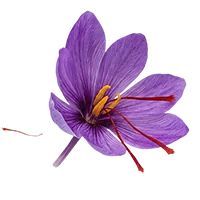
No. SUBUR is a raw honeycomb blend of ten named ingredients: honeycomb, black seed, saffron, ginseng root, fresh ginger, cinnamon, star anise, nutmeg, walnuts and almonds. Sidr is not one of them, no floral source is published for the honey, and the walnuts and almonds are ground in rather than sitting as whole pieces.
Is sidr honey better than a honey blend?
They are not on the same scale, so neither wins. A monofloral honey is bought for one flower, one place and one season, and is judged on provenance. A blend is bought for everything in the spoonful and is judged on disclosure — whether every ingredient is named, and whether the jar matches that list.